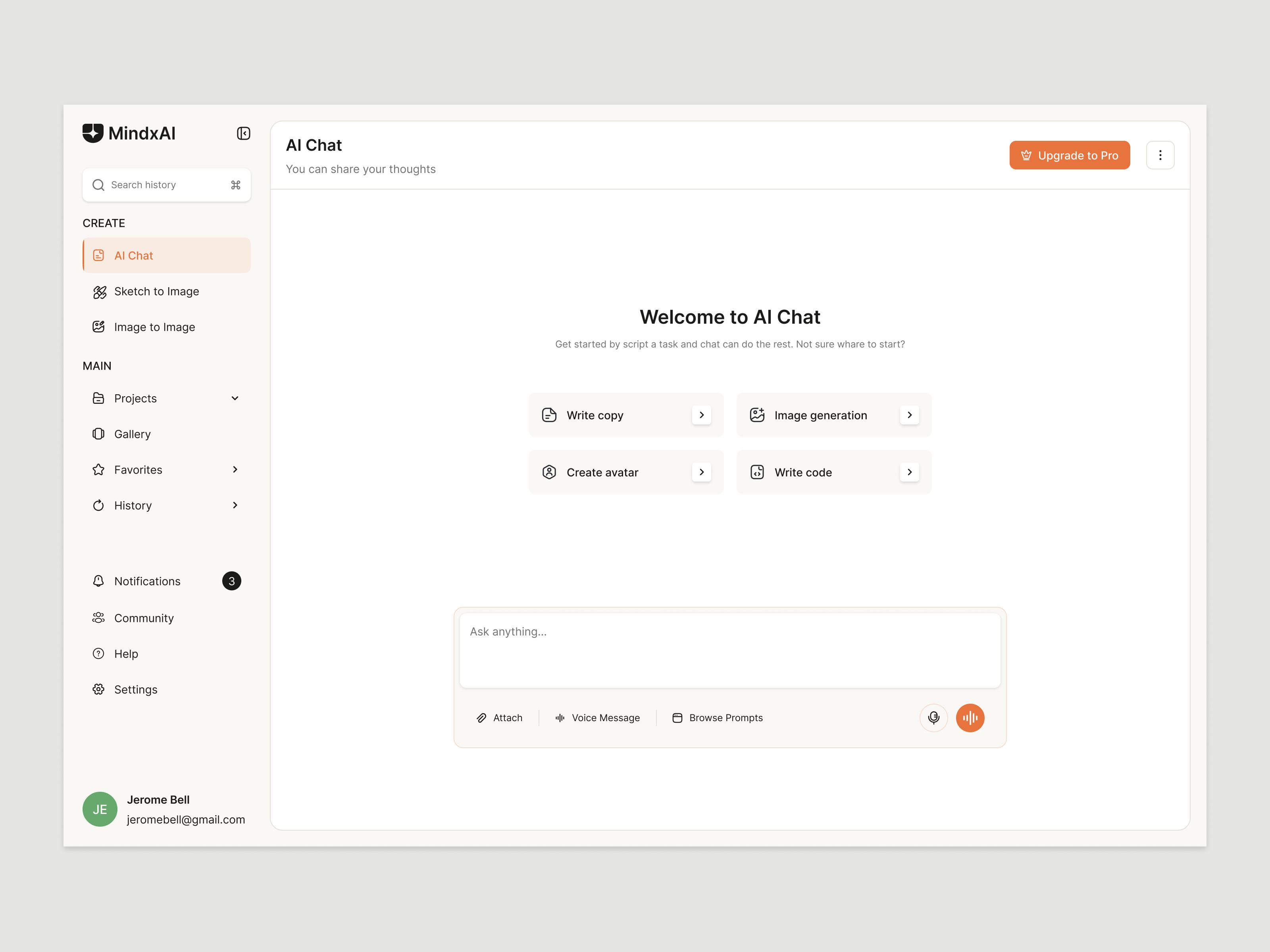
Software-as-a-Service (SaaS) startups have traditionally required significant upfront investments in engineering talent, backend server administration, and UI design. Today, full-stack AI development tools allow solo founders, indie hackers, and small teams to build, test, and launch fully functional SaaS products in a fraction of traditional timelines. This comprehensive guide outlines the complete operational blueprint for conceptualizing, coding, and deploying a modern SaaS web application using conversational AI platforms and cloud databases.
The tutorial covers crucial architectural components required for any successful SaaS product, including secure user authentication workflows, subscription tier billing integrations with Stripe, relational database management via Supabase, and protected user dashboard interfaces. Readers will learn how to prompt AI tools to generate clean database schemas, implement Role-Based Access Control (RBAC), and build responsive user settings pages. Furthermore, the guide addresses post-launch operational strategies, including error monitoring, performance telemetry, and continuous feature iteration through conversational AI chat refinement.
Whether you are launching a micro-SaaS tool, an AI wrapper service, or a B2B platform, this guide provides the technical roadmap needed to turn your software concept into a revenue-generating reality. Empower yourself to build enterprise-grade applications with the speed and agility of modern AI workflows.
The strategic question
The useful question is not whether Developing a Scalable SaaS Web Application with AI sounds impressive. It is where the approach creates measurable leverage, and where it introduces new risk. In 2026, the strongest teams treat AI as a force multiplier inside a defined operating model. They specify the decision, the constraints, the owner, and the evidence required before asking a system to produce an answer. That habit is more valuable than any individual prompt or product feature.
What the evidence suggests
The source material for this field note is SaaS Founder Academy & Startup Engineering. It should be read as a starting point for evaluation rather than a promise of universal results. Product capabilities, pricing, model quality, and platform limits change quickly. A responsible comparison therefore separates observable behavior from vendor language: test the workflow with representative inputs, measure the output against a human baseline, and record the manual work that remains after generation.
A practical operating model
Start with a small, bounded project. Define success in plain language, list the inputs the system can access, and decide which actions still require human approval. Then create a repeatable loop: brief the task, generate a first pass, inspect the result, run a quality check, and capture what changed. This makes progress visible and prevents the common mistake of confusing a fast first draft with a finished product. The same loop works for design, engineering, research, and content operations.
Where teams get stuck
The most common failure is context loss. An AI system may produce fluent output while missing a business rule, an edge case, or a requirement hidden in another document. Teams also underestimate review costs: generated work can move quickly into testing, but testing still needs expertise. Protect the workflow with a source-of-truth brief, small batches, explicit acceptance criteria, and a review queue for anything that affects privacy, money, safety, accessibility, or customer trust.
The implementation checklist
Before adopting this workflow, audit the data that will pass through it. Remove secrets and unnecessary personal information, confirm how providers retain inputs, and set a clear deletion policy. Check portability: can you export the work, replace the model, or continue without the platform? Check observability: can you see failures, regressions, and unexpected usage? Finally, check accessibility and mobile behavior in the actual experience, not only in a generated preview.
A balanced recommendation
For independent creators and small teams, the highest return usually comes from using AI for exploration, scaffolding, repetitive transformations, and structured critique. Keep human ownership over goals, brand judgment, security decisions, factual claims, and final publication. Larger organizations can add permissions, evaluation datasets, audit logs, and staged releases. These controls may feel slower at first, but they make the speed advantage durable by reducing rework and avoidable incidents.
What to watch next
The next phase will be defined less by novelty and more by integration. Systems will connect to design libraries, repositories, analytics, support records, and deployment pipelines. That convergence will make provenance, permissions, and rollback central product concerns. Watch for tools that explain their assumptions, expose useful logs, respect user-controlled data boundaries, and make it easy to compare generated output with a human-approved standard.
This article draws on SaaS Founder Academy & Startup Engineering and the linked reference below. Product details should be checked against the provider's current documentation before a purchase or production decision.
Open reference source ↗