KNOWEXUS / LIBRARY
Product Updates.
New features, releases, and updates from major AI tools and platforms.
A curated shelf of practical ideas, field notes, and durable frameworks for modern digital work — edited independently and tested against real workflows.
The tools and frameworks you choose compound over time. Good editorial help you move faster without accumulating technical debt or wasting attention on trends that don't last.
Founders, designers, engineers, marketers, educators, and curious people who want to build with more intention and less noise.
Skim the headlines first, then deep-dive the pieces that change something you were planning to do anyway. Execution beats consumption.
FREQUENTLY ASKED
Common questions.
Is this content free?
Yes. Every guide, comparison, and field note on KnowExus is freely available. We don't hide our editorial behind paywalls or gates.
How do you stay independent?
We don't accept payment for rankings or featured placement. Our revenue comes from affiliate links, sponsorships labeled clearly, and reader support. Editorial decisions are ours alone.
How often do you update your guides?
We review every guide quarterly and update when tools change materially. Product pages include a 'last reviewed' timestamp so you know how fresh the advice is.
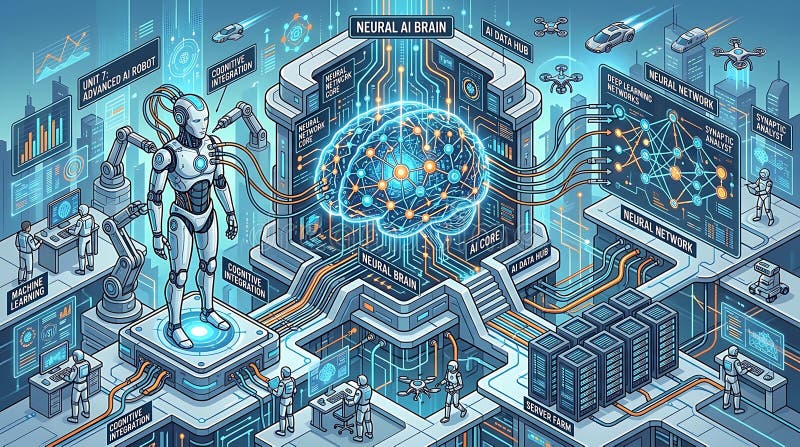
The Future of AI Web Creation: Autonomous Agents, Self-Healing Code, and Generative UIs
We are witnessing the dawn of a new era in software engineering—transitioning from simple AI code completion tools to fully autonomous agentic networks capable of designing, building, testing, deploying, and maintaining web applications independently. As frontier artificial intelligence models grow more capable in reasoning and tool usage, the traditional boundary between ideation and production software continues to shrink. This forward-looking industry report investigates emerging technological trends shaping the future of AI web creation, including autonomous coding agents, self-healing codebases, personalized generative UIs, and agentic maintenance systems.
7 min read · Future Tech Horizon & AI Software Engineering Institute
Building Real-Time Collaborative Features into AI Web Applications Using WebSockets
Real-time interactivity—such as live chat widgets, multiplayer whiteboards, collaborative document editing, and instant notification feeds—has become a defining feature of modern web applications and SaaS platforms. Implementing real-time capabilities traditionally required deep expertise in socket protocols, server state synchronization, room management, and handling disconnected client reconnects. With modern AI development environments, creators can prompt full-stack code generators to wire complex WebSocket communication layers into web applications effortlessly. This technical guide explores how to integrate real-time collaboration engines into AI-built websites using technologies like Supabase Realtime, Liveblocks, and Socket.io.
7 min read · Real-Time Systems & Distributed Web Engineering
AI-Driven Form Validation, Multi-Step Wizards, and Complex User Input Handling
User input collection—ranging from simple contact forms to complex multi-step onboarding wizards—is a primary conversion funnel for web applications. Building robust input interfaces requires meticulous attention to real-time client-side validation, accessible keyboard navigation, responsive error states, and secure server submission handling. When building forms with AI, vague prompts often produce basic HTML input fields that lack proper validation, accessibility tags, or submit feedback. This comprehensive guide details how to instruct AI assistants to generate bulletproof, enterprise-grade form systems using modern libraries like React Hook Form and Zod.
7 min read · UX Form Architecture & Interactive Systems Journal
Optimizing Web Storage, State Persistence, and Caching Strategies in AI Web Apps
State management and data caching are critical backbones of smooth web application performance. As users navigate across different pages, trigger filtering actions, or update user settings, maintaining fast responsiveness without repeatedly re-fetching raw data from remote servers is key to a premium user experience. When generating code with AI, unoptimized state setups can cause unnecessary component re-renders or lose temporary user inputs upon page refreshes. This detailed technical guide explores how to prompt AI assistants to implement effective client-side state persistence and smart caching systems.
6 min read · Frontend State Architecture & Systems Journal