KNOWEXUS / LIBRARY
AI Writing Tools.
The best AI writing assistants for content creation, copywriting, and long-form production.
AI writing tools use large language models to generate, edit, paraphrase, and optimize written content across marketing copy, long-form articles, email sequences, and creative drafts. They combine instruction-following with style controls.
Good AI writing can cut content production time by 60–70% while maintaining consistent brand voice. The gap isn't whether you use AI — it's how you structure prompts and revise the output to sound unmistakably human.
Content marketers, bloggers, copywriters, students, technical writers, and anyone who produces text regularly for an audience or a deadline.
Always fact-check AI-generated statistics and quotes — hallucination remains common in factual claims. Ask the tool to cite its sources, then verify them.
FREQUENTLY ASKED
Common questions.
Will AI writing replace human copywriters?
No — but it will replace copywriters who don't use AI. The best writers today use AI to handle drafts, research, and variations, then bring judgment, voice, and brand sense that models don't have yet.
How do I keep AI writing from sounding generic?
Give the model a specific audience, a unique perspective, and examples of the voice you want. Feed it your best existing content as few-shot examples, then edit heavily.
Is AI-generated content bad for SEO?
Google penalizes low-quality content, not AI-authored content. Well-edited, original, helpful content written with AI assistance ranks the same as content written from scratch — and sometimes better.

Major Trends Reshaping AI-Powered Web Development in 2026: Agentic Workflows, Full-Stack Autonomy, and Real-Time Infrastructure Integration
The web development landscape in 2026 is undergoing its most radical transformation since the advent of cloud computing, driven by the emergence of fully autonomous agentic workflows and intelligent software synthesis engines. Where early AI generators focused strictly on snippet completion or primitive static layout rendering, modern AI platforms now operate as complete virtual engineering teams. These next-generation tools ingest high-level prompt architectures, architectural diagrams, or user story backlogs and convert them directly into production-grade, full-stack applications complete with self-healing codebases, serverless cloud routing, and dynamic data models. This structural shift has altered software economics, enabling non-technical founders to build enterprise-tier software systems while expanding the leverage of experienced software architects to unprecedented levels.
10 min read · AI Tech Horizons & 2026 Web Engineering Report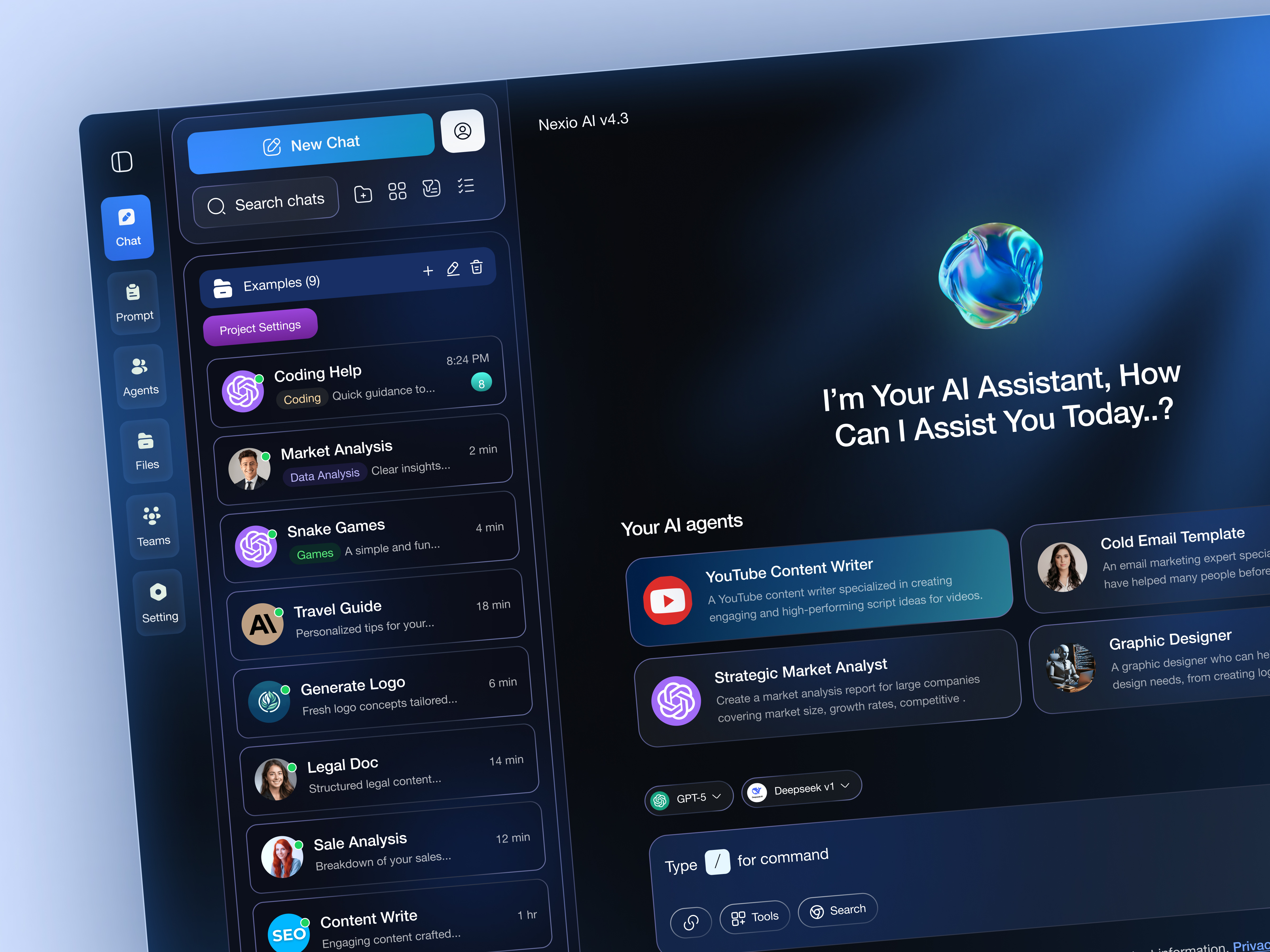
Top 10 Essential AI Website Builders and Coding Platforms to Watch in 2026
Selecting the right development stack in 2026 is crucial for founders, digital agencies, and software developers seeking to maximize speed, maintain code quality, and avoid proprietary platform lock-in. The market for AI-driven website creation has matured into a multi-tiered ecosystem, ranging from visual visual canvas builders to advanced, terminal-integrated coding assistants. This curated evaluation highlights the top ten AI platforms dominating the industry in 2026, analyzing their core technological architectures, output qualities, pricing dynamics, and ideal user profiles to help creators choose the perfect tool for their technical requirements.
8 min read · Digital Tools Review & 2026 AI Software Guide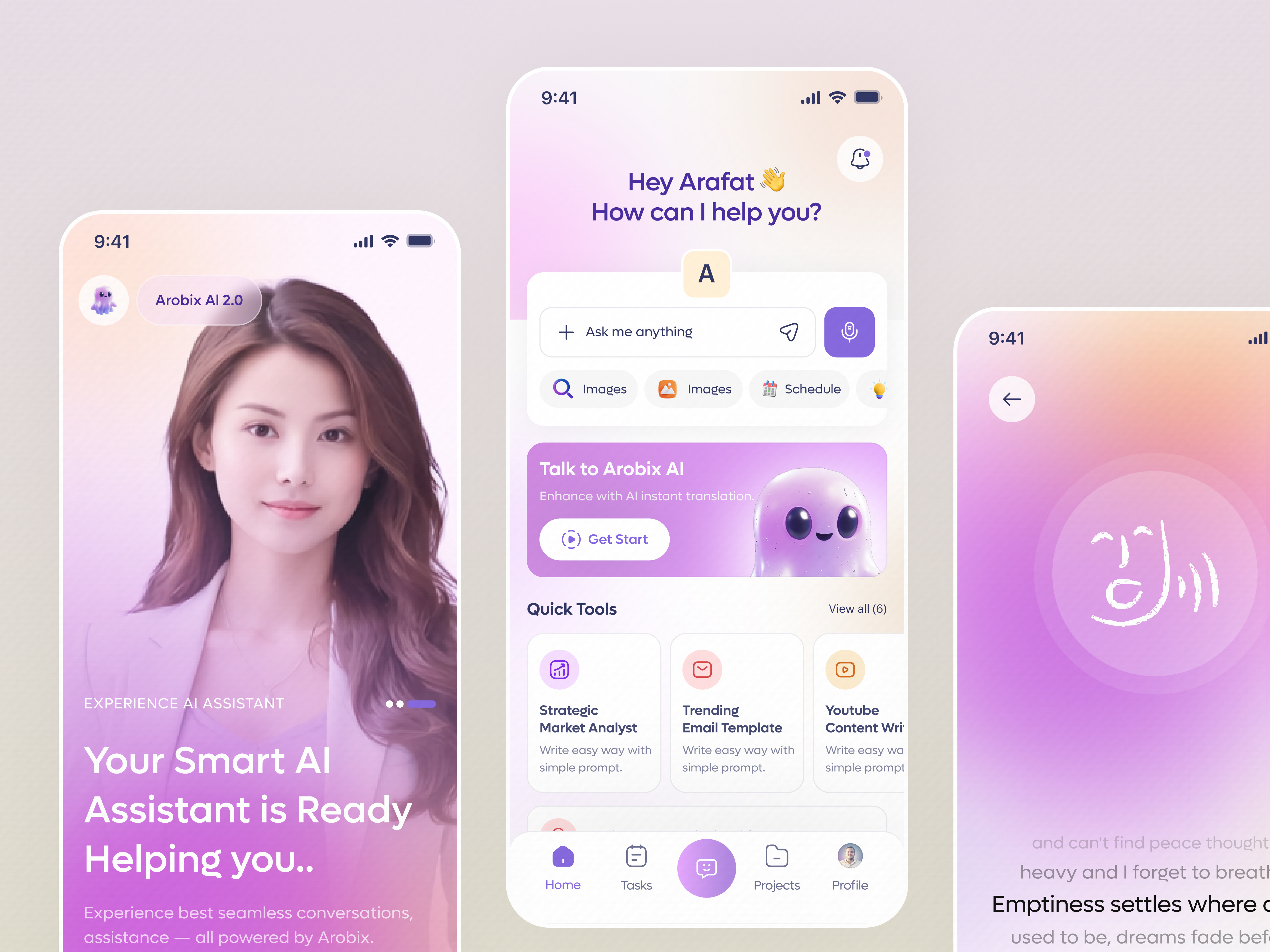
The Evolution of AI Website Generators: Major Product Updates and Architectural Milestones
The rapid cadence of feature updates across major AI website generators over the past year has transformed these tools from speculative prototypes into reliable, enterprise-ready software suites. Early iterations of AI builders frequently struggled with state management, broken mobile responsive grids, hallucinated API syntax, and unoptimized bundle sizes. Recent landmark releases across platforms such as Lovable, v0, Bolt.new, and Framer have systematically addressed these legacy limitations, introducing capabilities like multi-file structural editing, native cloud database orchestration, and instant design-to-code synchronizations.
8 min read · Product Update Chronicle & Web Development Insights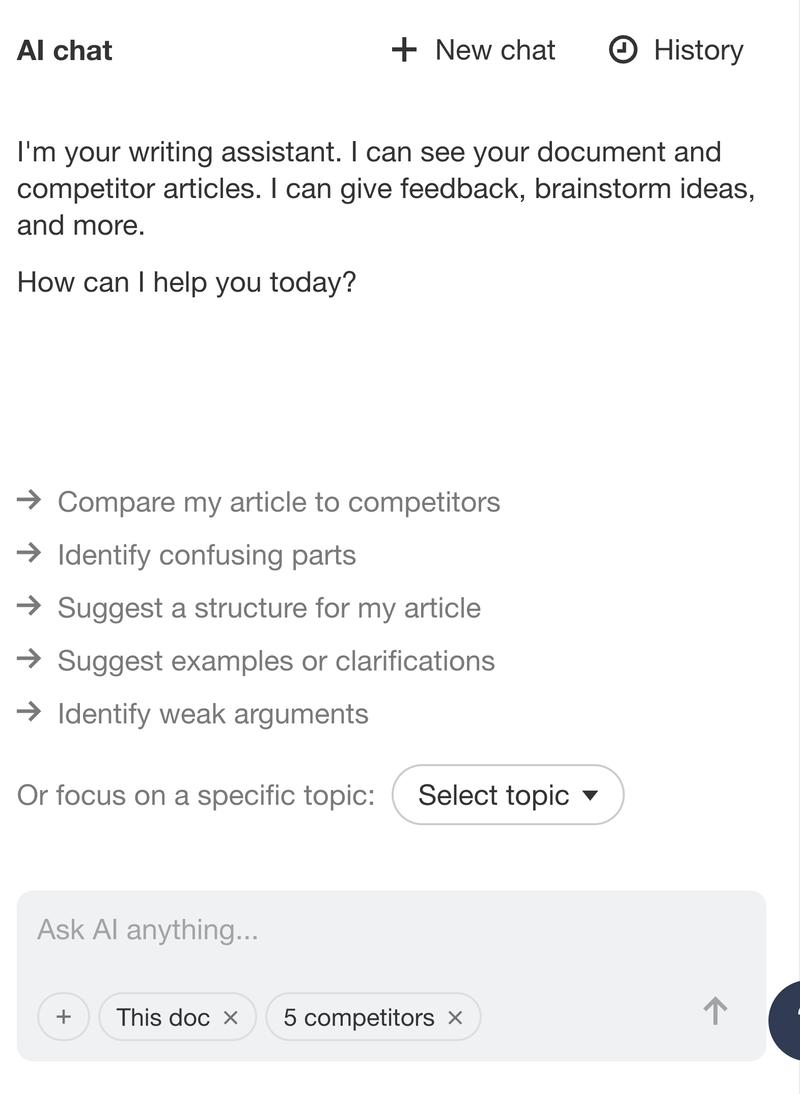
Demystifying Lovable: A Deep-Dive Analysis of Features, Architecture, and Full-Stack Capabilities
Lovable has established itself as one of the most powerful and versatile AI-powered web creation platforms available today, bridging the gap between non-technical visionaries and professional full-stack software development. Built upon a modern engineering stack including React, TypeScript, Vite, and Tailwind CSS, Lovable enables users to generate complete, production-ready web applications simply by describing their requirements in plain English. This comprehensive guide presents a technical deep-dive into Lovable's feature set, architectural philosophy, visual editing workflows, and backend capabilities.
7 min read · Lovable Engineering & Product Review