KNOWEXUS / LIBRARY
AI Tools.
A carefully edited shelf of practical ideas, field notes, and durable frameworks for modern digital work.
A curated shelf of practical ideas, field notes, and durable frameworks for modern digital work — edited independently and tested against real workflows.
The tools and frameworks you choose compound over time. Good editorial help you move faster without accumulating technical debt or wasting attention on trends that don't last.
Founders, designers, engineers, marketers, educators, and curious people who want to build with more intention and less noise.
Skim the headlines first, then deep-dive the pieces that change something you were planning to do anyway. Execution beats consumption.
FREQUENTLY ASKED
Common questions.
Is this content free?
Yes. Every guide, comparison, and field note on KnowExus is freely available. We don't hide our editorial behind paywalls or gates.
How do you stay independent?
We don't accept payment for rankings or featured placement. Our revenue comes from affiliate links, sponsorships labeled clearly, and reader support. Editorial decisions are ours alone.
How often do you update your guides?
We review every guide quarterly and update when tools change materially. Product pages include a 'last reviewed' timestamp so you know how fresh the advice is.
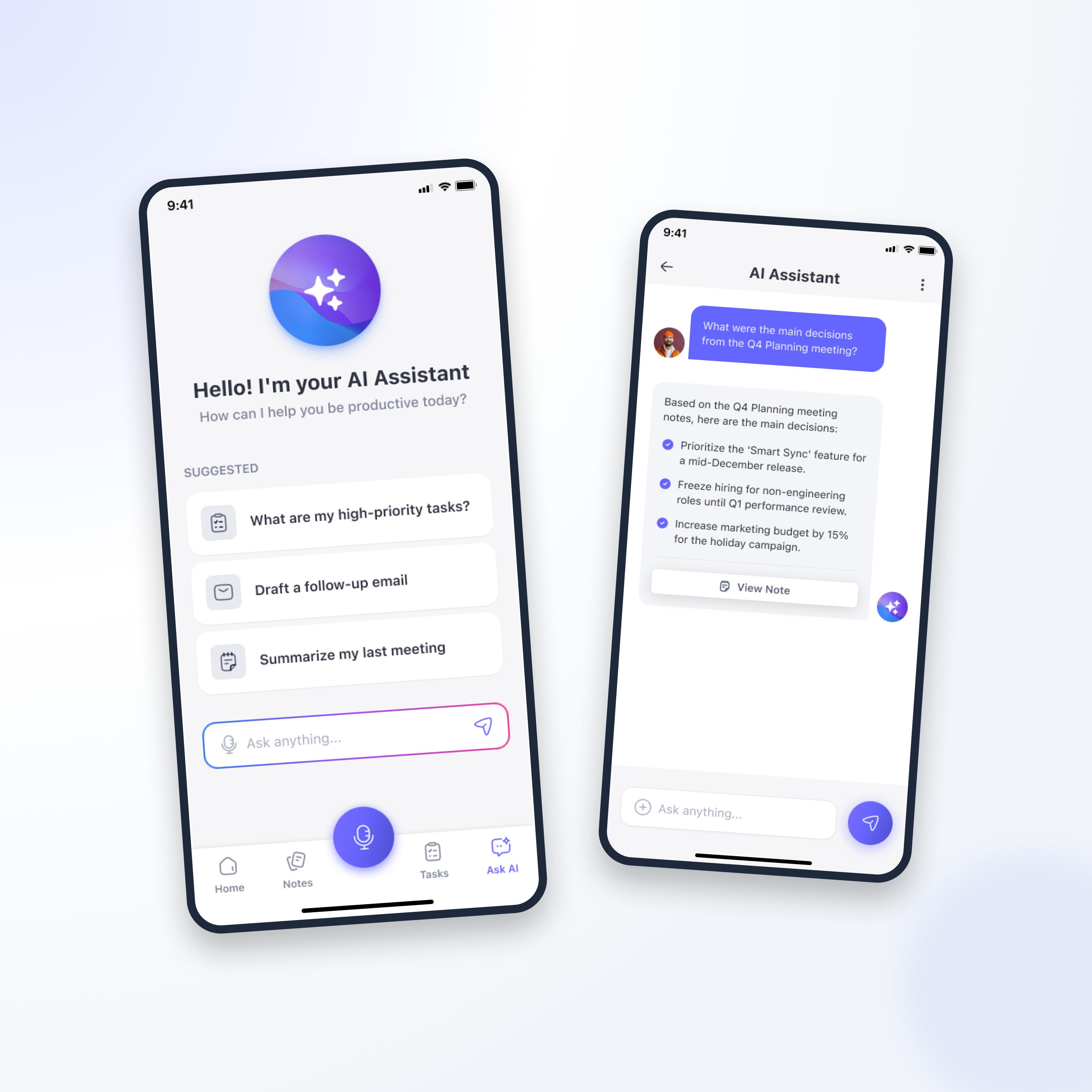
Major Trends Reshaping AI-Powered Web Development in 2026: Agentic Workflows, Full-Stack Autonomy, and Real-Time Infrastructure Integration
The web development landscape in 2026 is undergoing its most radical transformation since the advent of cloud computing, driven by the emergence of fully autonomous agentic workflows and intelligent software synthesis engines. Where early AI generators focused strictly on snippet completion or primitive static layout rendering, modern AI platforms now operate as complete virtual engineering teams. These next-generation tools ingest high-level prompt architectures, architectural diagrams, or user story backlogs and convert them directly into production-grade, full-stack applications complete with self-healing codebases, serverless cloud routing, and dynamic data models. This structural shift has altered software economics, enabling non-technical founders to build enterprise-tier software systems while expanding the leverage of experienced software architects to unprecedented levels.
10 min read · AI Tech Horizons & 2026 Web Engineering Report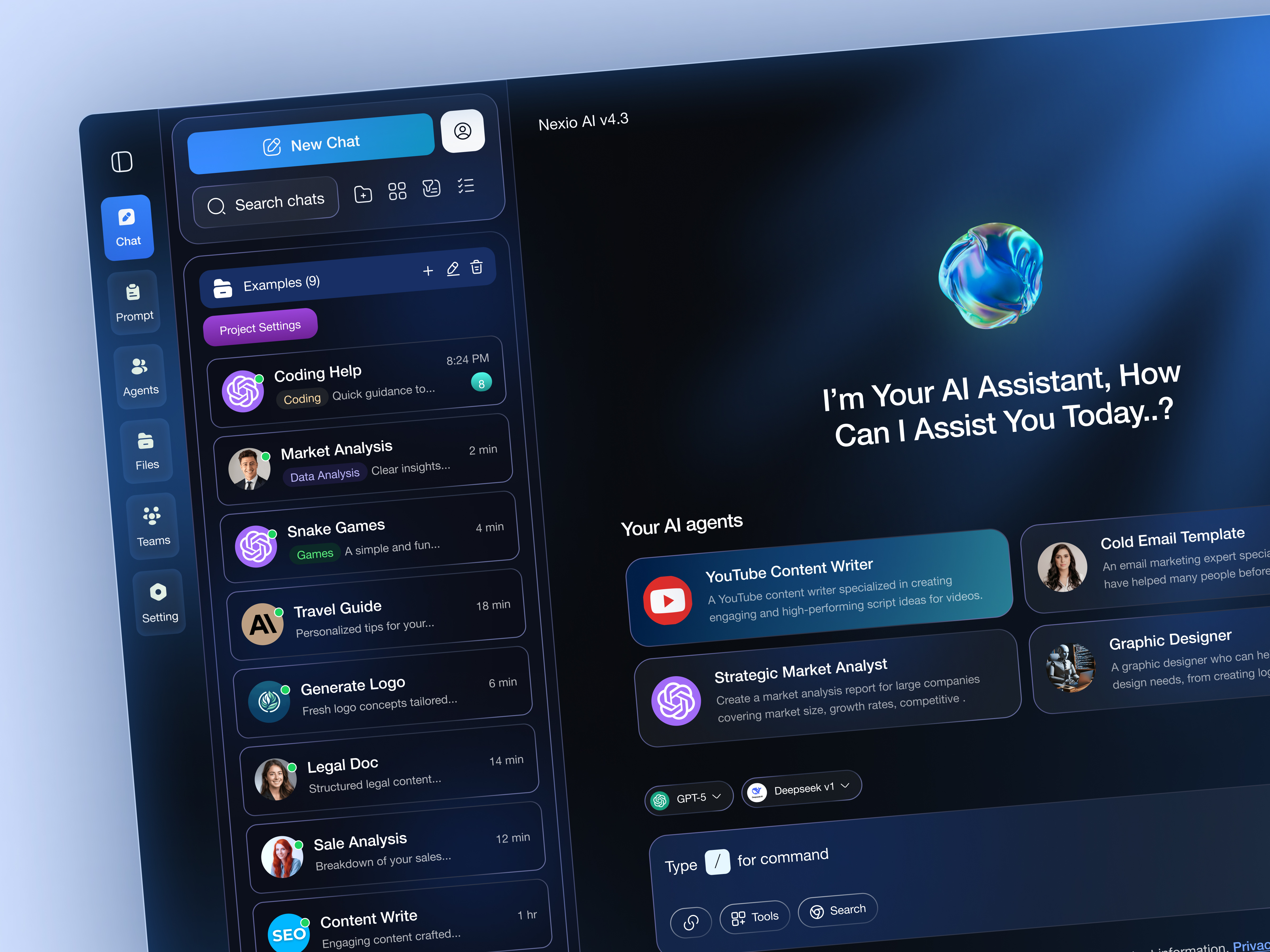
Top 10 Essential AI Website Builders and Coding Platforms to Watch in 2026
Selecting the right development stack in 2026 is crucial for founders, digital agencies, and software developers seeking to maximize speed, maintain code quality, and avoid proprietary platform lock-in. The market for AI-driven website creation has matured into a multi-tiered ecosystem, ranging from visual visual canvas builders to advanced, terminal-integrated coding assistants. This curated evaluation highlights the top ten AI platforms dominating the industry in 2026, analyzing their core technological architectures, output qualities, pricing dynamics, and ideal user profiles to help creators choose the perfect tool for their technical requirements.
8 min read · Digital Tools Review & 2026 AI Software Guide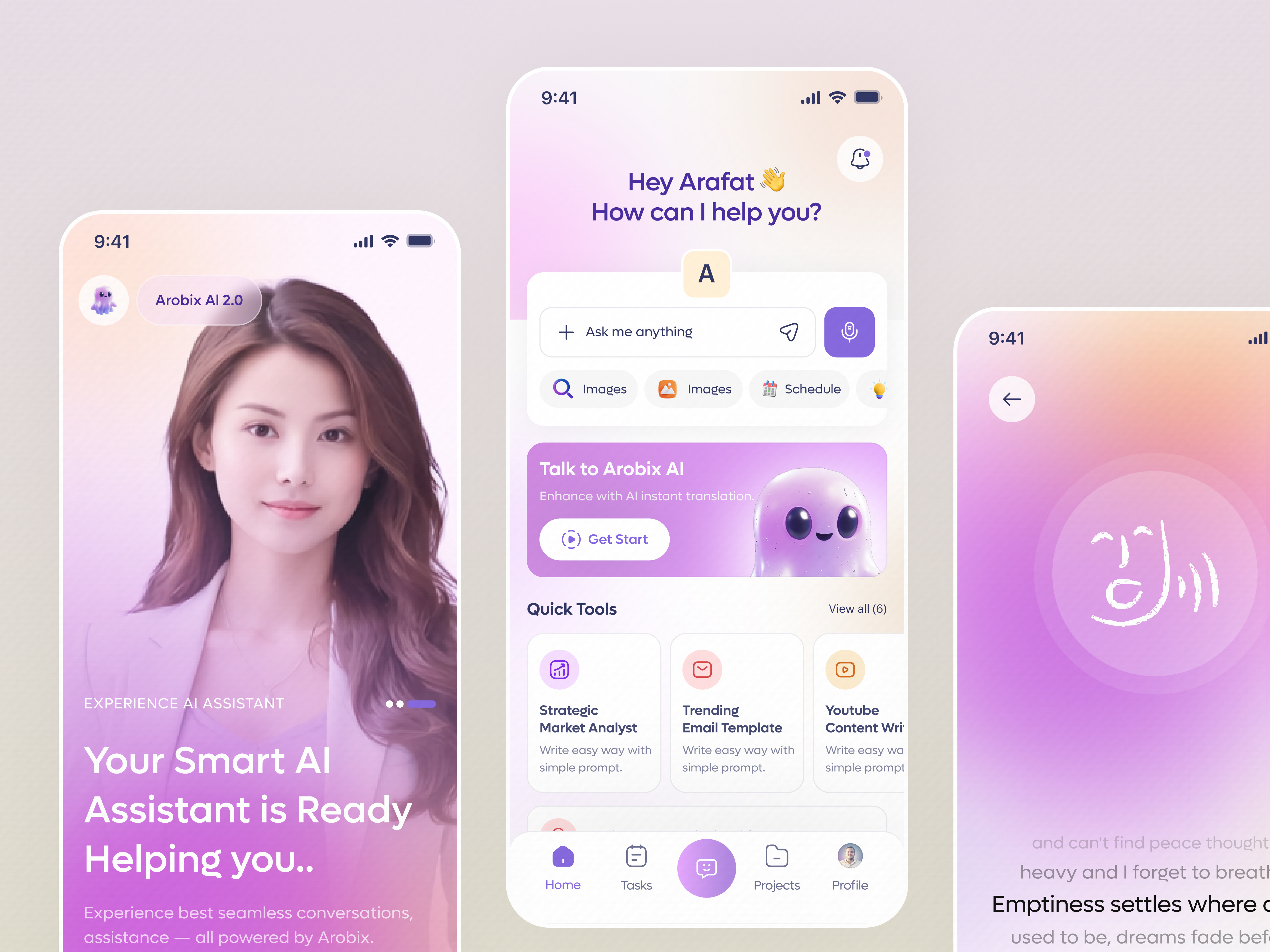
The Evolution of AI Website Generators: Major Product Updates and Architectural Milestones
The rapid cadence of feature updates across major AI website generators over the past year has transformed these tools from speculative prototypes into reliable, enterprise-ready software suites. Early iterations of AI builders frequently struggled with state management, broken mobile responsive grids, hallucinated API syntax, and unoptimized bundle sizes. Recent landmark releases across platforms such as Lovable, v0, Bolt.new, and Framer have systematically addressed these legacy limitations, introducing capabilities like multi-file structural editing, native cloud database orchestration, and instant design-to-code synchronizations.
8 min read · Product Update Chronicle & Web Development Insights
Demystifying Lovable: A Deep-Dive Analysis of Features, Architecture, and Full-Stack Capabilities
Lovable has established itself as one of the most powerful and versatile AI-powered web creation platforms available today, bridging the gap between non-technical visionaries and professional full-stack software development. Built upon a modern engineering stack including React, TypeScript, Vite, and Tailwind CSS, Lovable enables users to generate complete, production-ready web applications simply by describing their requirements in plain English. This comprehensive guide presents a technical deep-dive into Lovable's feature set, architectural philosophy, visual editing workflows, and backend capabilities.
7 min read · Lovable Engineering & Product Review
Bolt.new Complete Operational Guide: In-Browser Full-Stack Development and WebContainers Mastery
Bolt.new, powered by StackBlitz's revolutionary WebContainers technology, represents a monumental leap forward for in-browser software engineering. By running complete Node.js environments directly inside modern web browser threads, Bolt.new allows developers and creators to prompt, build, execute, debug, and host complex full-stack applications without installing local development software, configuring terminal packages, or wrestling with local environment dependencies. This masterclass guide provides a comprehensive walkthrough of leveraging Bolt.new for rapid software creation.
7 min read · StackBlitz & Full-Stack Browser Engineering
Hands-On Test of Vercel v0: Generating Accessible UI Components and Production React Layouts
Developed by the team behind Next.js, Vercel's v0 has established itself as an indispensable AI generation tool for frontend developers, UI designers, and product managers. Utilizing advanced generative models trained on modern design systems, accessible HTML standards, and Tailwind CSS frameworks, v0 translates text prompts and visual reference uploads into clean, production-ready React component code instantly. This hands-on evaluation provides an in-depth review of v0's generation quality, component export flexibility, and practical integration workflows.
7 min read · Frontend Engineering Journal & Vercel Review
Can Cursor Build a Complete Website from Scratch? A Comprehensive Developer Field Test
Cursor has emerged as one of the most acclaimed AI-native code editors among professional software engineers, offering an advanced fork of VS Code equipped with deep codebase indexing, multi-file editing, and autonomous terminal execution capabilities. However, a major question remains for non-technical founders and agency leads: can Cursor be utilized to build a complete, production-ready website from absolute scratch without writing manual code? This empirical field test evaluates Cursor's viability as an end-to-end site builder for both novice users and experienced developers.
7 min read · Developer Field Test & AI Code Editor Journal
Framer AI Hands-On Experience: Balancing Generative Design Prompts with Visual Canvas Control
Framer has long been celebrated by UI/UX designers for its powerful visual canvas, interactive prototyping tools, and sleek publishing infrastructure. With the integration of Framer AI, the platform has combined conversational prompt generation directly with its professional design editor, allowing creators to generate responsive, multi-page websites in seconds and immediately polish them using familiar visual controls. This comprehensive hands-on review explores the capabilities, visual quality, performance, and workflow benefits of Framer AI for digital creators.
7 min read · Visual UI Design Review & Framer Guide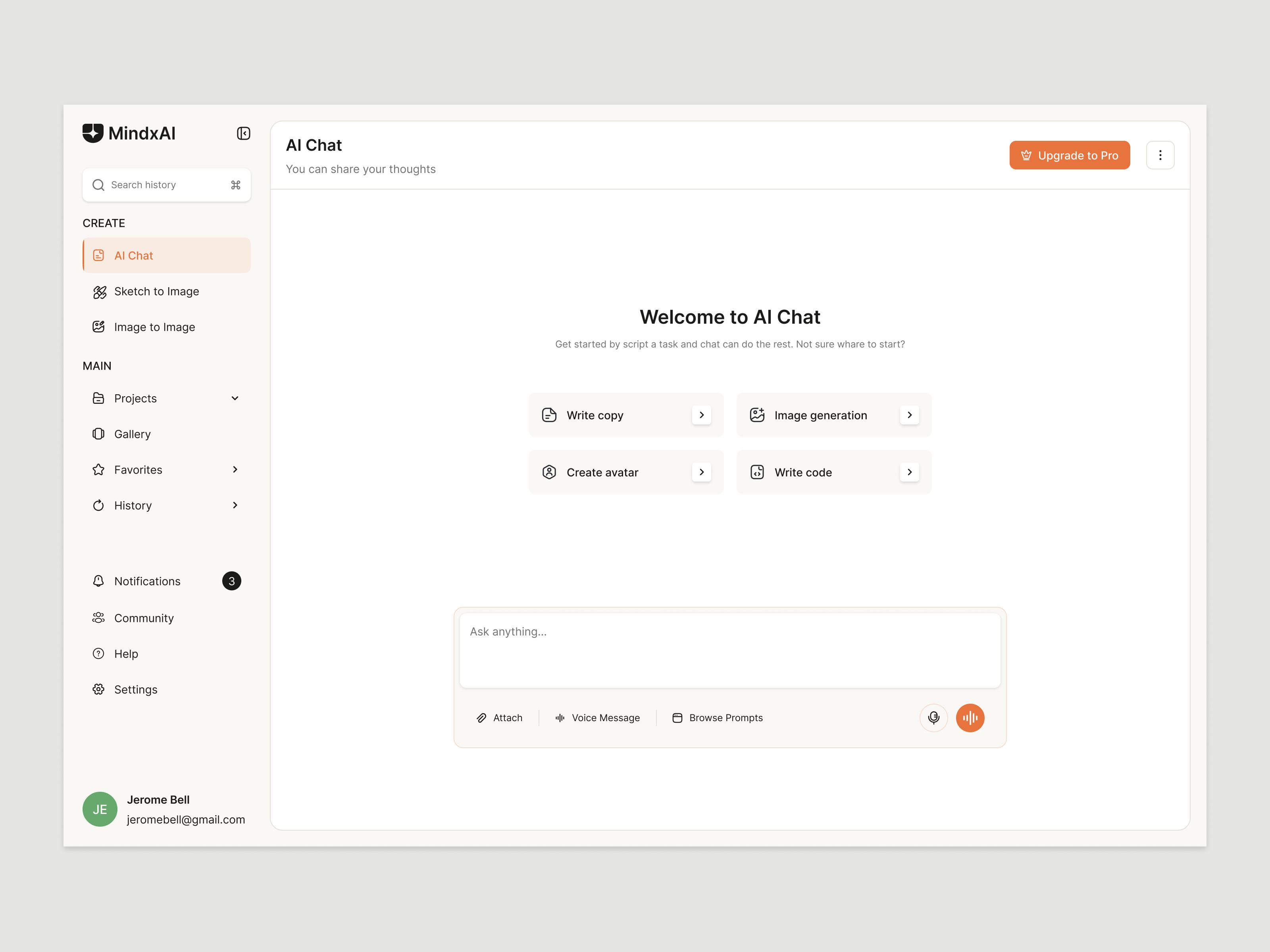
Step-by-Step Tutorial: Building a Breathtaking Personal Portfolio Website Using AI Tools
In today's competitive job market and creator economy, possessing a distinctive, high-performing online portfolio is essential for designers, software engineers, writers, and digital consultants looking to showcase their achievements. Building a custom portfolio used to require days of manual coding or settling for rigid, cookie-cutter website templates. This step-by-step practical tutorial demonstrates how to leverage modern AI tools like Lovable, v0, and Framer to build an agency-quality, responsive portfolio website from scratch in under an hour.
6 min read · Personal Branding & AI Creator Academy
Building a Modern Corporate Website with AI: Complete Strategy, Prompting, and Launch Blueprint
For businesses of all sizes, a corporate website serves as the central digital flagship—building trust with potential clients, communicating core value propositions, displaying service offerings, and driving lead generation. Leveraging artificial intelligence for corporate web development allows companies to slash development timelines and costs while maintaining rigorous standards of visual polish, security, and performance. This masterclass tutorial provides a complete, strategic blueprint for planning, generating, refining, and launching a professional corporate website using AI stacks.
6 min read · Corporate Web Strategy & Enterprise AI Guide
Building a High-Performance E-Commerce Web Store with AI: Product Catalogs, Carts, and Stripe Checkouts
E-commerce digital infrastructure has traditionally required managing complex monolithic platforms, rigid content management systems, or expensive proprietary store builders. Today, full-stack generative AI development platforms empower entrepreneurs and developers to design, code, and deploy custom, lightning-fast e-commerce storefronts tailored precisely to their brand identity. This practical step-by-step masterclass demonstrates how to leverage advanced AI web builders like Lovable and Bolt.new to construct a fully functional e-commerce web application equipped with dynamic product grids, multi-angle image galleries, real-time cart management, and secure Stripe payment gateway integrations.
8 min read · E-Commerce Engineering & AI Retail Journal
Creating a Professional Blog and Content Hub with AI: Markdown CMS and SEO Architecture
Content marketing, organic search visibility, and thought leadership remain powerful drivers of digital growth, making a fast, beautifully structured blog website an invaluable asset for creators, startups, and media brands. This comprehensive tutorial explores how to utilize AI website builders and modern frontend frameworks to create a feature-rich, high-performance blog and content publishing hub complete with category tagging, responsive typography, newsletter subscription capture forms, and built-in search engine optimization.
6 min read · Digital Publishing & Content Strategy Review
Developing a Scalable SaaS Web Application with AI: Database Schemas, Auth, and Dashboards
Software-as-a-Service (SaaS) startups have traditionally required significant upfront investments in engineering talent, backend server administration, and UI design. Today, full-stack AI development tools allow solo founders, indie hackers, and small teams to build, test, and launch fully functional SaaS products in a fraction of traditional timelines. This comprehensive guide outlines the complete operational blueprint for conceptualizing, coding, and deploying a modern SaaS web application using conversational AI platforms and cloud databases.
6 min read · SaaS Founder Academy & Startup Engineering
Building an Online Utility Tool Platform with AI: Interactive Calculators and Converters
Utility tool websites—such as financial ROI calculators, unit converters, PDF manipulation tools, image compressors, and format generators—are exceptional drivers of organic search engine traffic and long-term user retention. Historically, creating interactive browser-based software required solid JavaScript expertise and manual DOM manipulation. Today, AI development platforms empower creators to build suites of functional online utility tools through intuitive text prompts. This comprehensive guide outlines the process of building, styling, and publishing a multi-tool web application using AI generation.
6 min read · Web Utility Engineering & SEO Growth Journal
Creating a News and Media Portal with AI: Dynamic Content Aggregation and Fast Rendering
Digital publishing and media platforms require sophisticated content rendering pipelines capable of organizing large volumes of articles, video streams, audio podcasts, and real-time news feeds cleanly across modern viewports. This hands-on masterclass demonstrates how to utilize generative AI tools to design, code, and deploy a modern, high-performance news portal complete with breaking news ticker banners, category navigation tabs, dark-mode toggles, and dynamic reader engagement features.
6 min read · Digital Media Tech & AI Publishing Review
Mastering UI Design Generation: How to Prompt AI for Professional Website Aesthetics
While modern artificial intelligence website builders can generate functional web layouts instantly, early outputs often suffer from a generic, 'templated' look characterized by predictable card grids, oversaturated gradients, and uninspired typography. Elevating an AI-generated website from mediocre to high-end, agency-quality design requires mastering advanced prompt engineering and deliberate stylistic constraints. Professional creators must move beyond basic prompts and guide the AI with precise instructions regarding whitespace hierarchy, micro-interactions, custom color palettes, and intentional layout asymmetries that evoke editorial sophistication.
8 min read · High-End Web Design & AI UI Masterclass
Designing Asymmetric and Magazine-Style Web Layouts Using Advanced AI Prompts
The vast majority of AI-generated websites default to rigid, predictable grid frameworks characterized by centered hero sections, uniform three-column feature cards, and standard rectangular containers. While functional, these conventional layouts often feel generic and lack the distinctive visual identity needed for luxury brands, editorial publications, fashion labels, and creative agencies. This comprehensive design guide explores how to break free from standard AI layout conventions by leveraging prompt engineering to instruct AI website builders like v0, Lovable, and Bolt.new to construct sophisticated, asymmetric magazine-style layouts defined by overlapping visual planes, editorial typography, and high-contrast spatial rhythms.
9 min read · Editorial Web Design Guild & Advanced UI Architecture
Curating Color Schemes and Typographic Hierarchies with AI for Web Projects
Color theory and typographic hierarchy are the foundational pillars of visual communication on the web. A poorly chosen color palette or mismatched font pairing can instantly diminish user trust and make even the most sophisticated application look unprofessional. While modern AI website builders are exceptionally proficient at writing clean code, their default color choices and font selections can occasionally feel disjointed or bland without explicit design direction. This practical guide demonstrates how to use specialized design prompts and visual reference tokens to guide AI engines in generating harmonious, accessible visual systems for any digital product.
8 min read · Visual Systems & Web Typography Institute
Building Fully Responsive Web Layouts with AI: Mobile-First Engineering Strategies
In an era where mobile devices account for the majority of global web traffic, ensuring that an AI-generated website delivers an immaculate user experience across smartphones, tablets, and widescreen desktop monitors is non-negotiable. While modern AI code generators like v0 and Lovable incorporate Tailwind CSS and responsive utility classes by default, complex layouts frequently require explicit guidance to prevent broken flexbox alignment, overflowing text, or cramped navigation menus on smaller screens. This practical guide explores proven strategies for prompting and refining AI-built websites to achieve flawless responsiveness.
6 min read · Responsive Web Design Guild & UI Engineering
Generating Production-Ready React Components and Pages Using AI Frameworks
Building modern web applications with React requires writing modular component hierarchies, managing complex state hooks, and maintaining clean prop types. While traditional development required hours of manual boilerplate writing, modern AI coding assistants and code generators can synthesize production-ready React pages and components from simple conversational prompts. This technical masterclass explores how to leverage AI tools like Cursor, v0, and Bolt.new to accelerate React development without sacrificing code maintainability or performance.
6 min read · React Engineering Academy & Frontend Masterclass